

What if your next trip to Peru could do more than create unforgettable memories?
Travel has the potential to connect people with new cultures, landscapes and communities. But it can also play a role in protecting the places we visit. This is the idea behind regenerative travel in Peru: moving beyond simply reducing the negative impact of tourism and exploring how travel can actively contribute to the wellbeing of destinations.
From the Andes to the Amazon rainforest, Peru offers countless opportunities to experience nature and culture while supporting the people and environments that make these places unique.
What is regenerative travel in Peru?
Regenerative travel goes one step beyond traditional sustainable tourism.
Sustainable travel generally focuses on reducing negative impacts, such as minimizing waste, conserving natural resources, protecting biodiversity and supporting local economies. Regenerative travel builds on these principles by asking a broader question: How can tourism leave a positive contribution behind?
In Peru, this can take many forms. A journey can support local businesses, create opportunities for communities, contribute to conservation initiatives or help preserve cultural knowledge.
Regenerative travel in Peru starts with the choices made when planning a journey. Who are we traveling with? Which communities benefit? How does an experience contribute to the destination? And how can travelers connect with Peru beyond its most famous attractions?
These questions can help transform a vacation into a more meaningful experience.
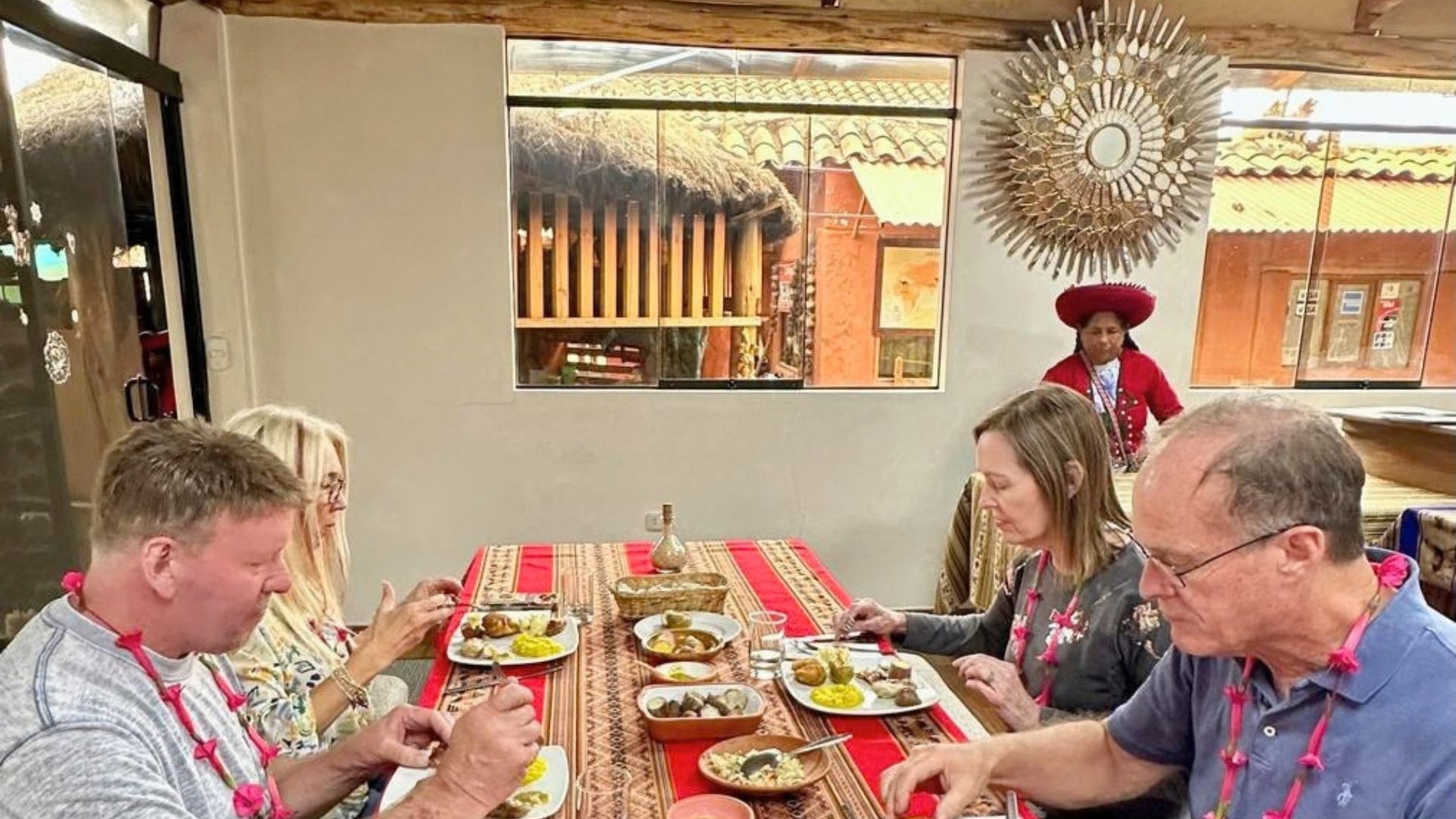 Andean Diaries Travelers tasting typical dishes with a local community in Chincheros, Cusco
How tourism can give back to local communities
People are at the heart of every destination.
Across Peru, communities have developed traditions, knowledge and ways of life deeply connected to their surroundings. Tourism can provide an opportunity for these communities to share their perspectives while creating economic opportunities.
Choosing locally operated experiences, hiring local guides, visiting community-based projects and purchasing locally made products can help keep tourism revenue within the destination.
For travelers, these interactions can also transform the way they experience Peru. Meeting a local family, learning about traditional agriculture or discovering ancestral techniques can provide insights that cannot be found in a guidebook.
This is one of the most meaningful aspects of regenerative travel in Peru: the traveler is not simply a visitor, but becomes part of an exchange. At Andean Diaries, we carefully select experiences and local partners that allow travelers to discover Peru through the people who know it best.
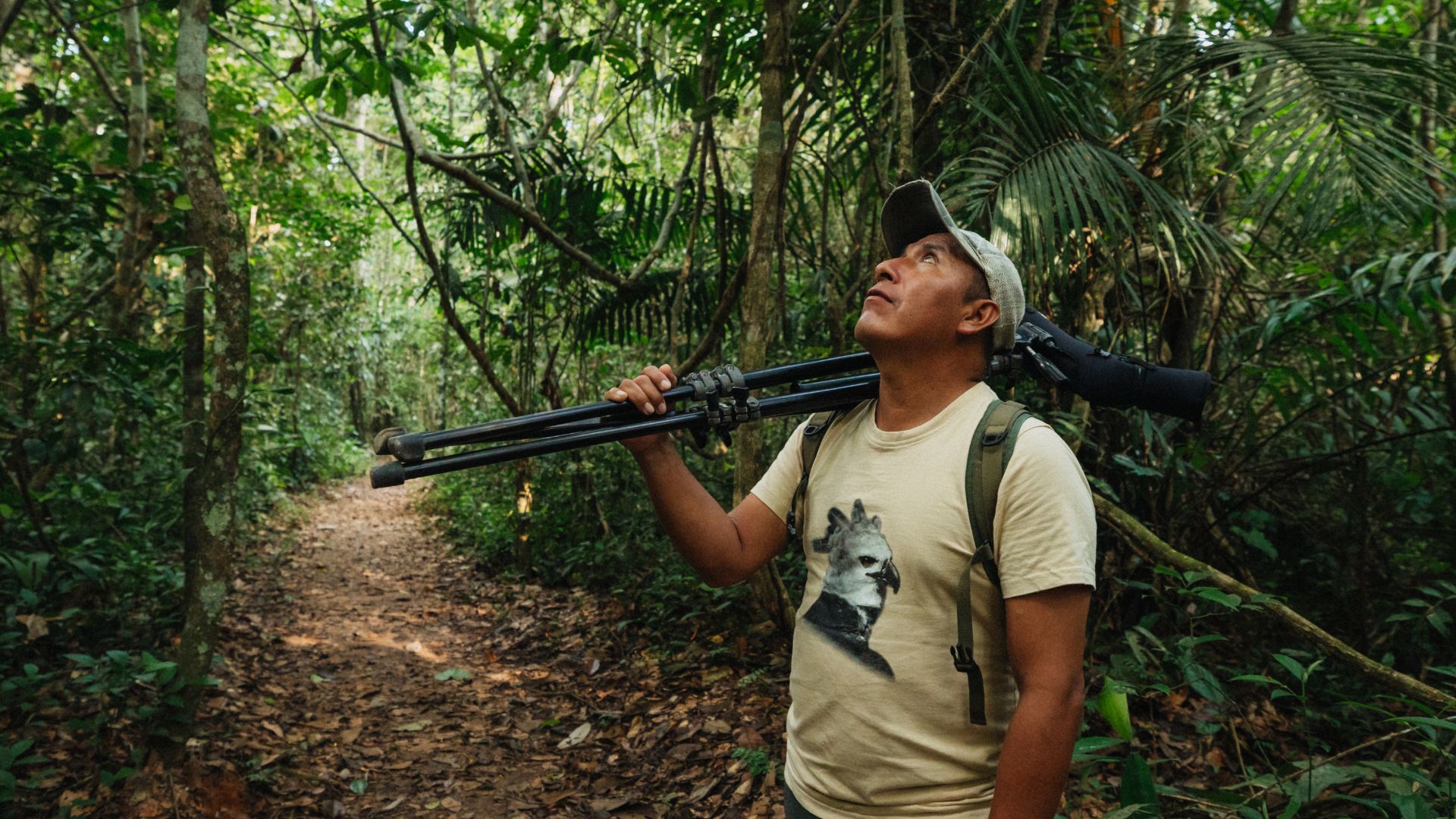 A guide with scope and tripod in the Amazon demonstrates conservation and nature-based tourism
From the Andes to the Amazon: when travel supports conservation
Peru’s extraordinary biodiversity creates another important opportunity for regenerative tourism.
The Amazon rainforest, for example, is one of the world’s most biodiverse ecosystems. In destinations such as Tambopata, tourism can create economic value around forest conservation while connecting visitors with scientific research, wildlife and local communities.
Travelers can visit conservation initiatives, learn about biodiversity monitoring or participate in citizen science experiences. These activities can transform a wildlife encounter into an opportunity to understand the work involved in protecting these ecosystems.
The Andes offer different but equally important possibilities. Community-based tourism can connect travelers with traditional knowledge, local agriculture, crafts and cultural heritage while supporting rural economies.
Through regenerative travel in Peru, these experiences can become part of a broader relationship between tourism, conservation and local development.
The objective is not to turn every vacation into a conservation project. Instead, it is about making thoughtful choices that allow tourism to contribute to the places we visit.
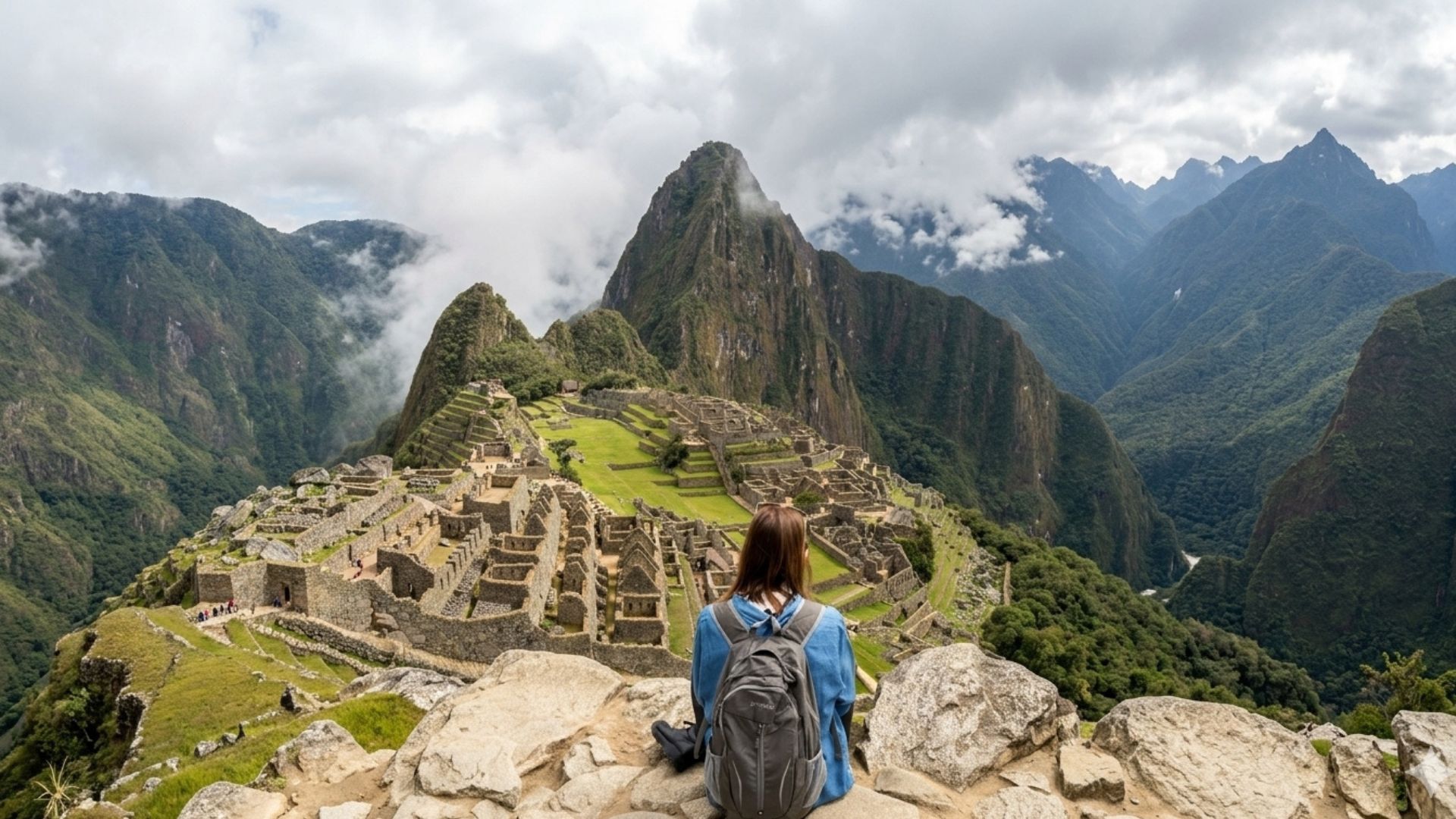
Andean Diaries traveler admires Machu Picchu, showcasing respectful appreciation for historical heritage
Regenerative travel does not have to be complicated. It can begin with small decisions when planning a trip.
Choose local guides who can share their knowledge of the destination. Stay at accommodations that invest in conservation and local communities. Include experiences that support local economies. Respect wildlife by observing animals without disturbing them. And give yourself enough time to connect with a destination rather than rushing from one attraction to another.
Travelers can also look beyond Peru’s most famous destinations and explore places where tourism can help diversify local economies. For travelers from the United States, Canada, the United Kingdom and Australia, this can create a different kind of Peru travel experience: one based not only on iconic sights, but also on meaningful connections with nature and people.
Ultimately, regenerative travel in Peru is about changing the questions we ask when we travel. Instead of asking only, “What can I see?”, we can also ask, “What can I learn?”, “Who can I support?” and “What can I give back?”
Peru has incredible stories to tell. By traveling thoughtfully, we can help ensure those stories, landscapes and traditions continue for generations to come.
By Emperatriz Ayala – Travel Advisor
Now read: From Sustainable Tourism in Peru to Regenerative Travel

